


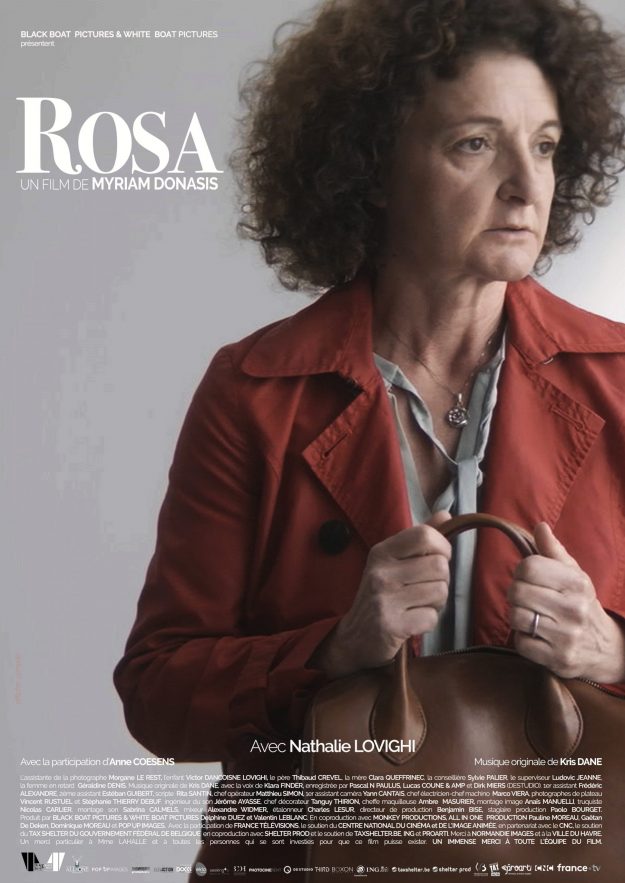
“In her fifties, unemployed and lonely, Rosa has lost her self-esteem. A morning, she discovers in her garden, the old ball of a little neighbor. When she brought it back to him, she’s touched by the child’s thanks. After he lost it once again, Rosa decides to offer him a new one. To thank her, his parents invite her unexpectedly and proudly announce that their son has just appeared on television. The child hurriedly showed her his payslip. Rosa returns home, distraught. She starts looking through old photographs and finds a picture of her as a child. In an unreasonable act, she sends it to a casting, and is invited to present herself.”
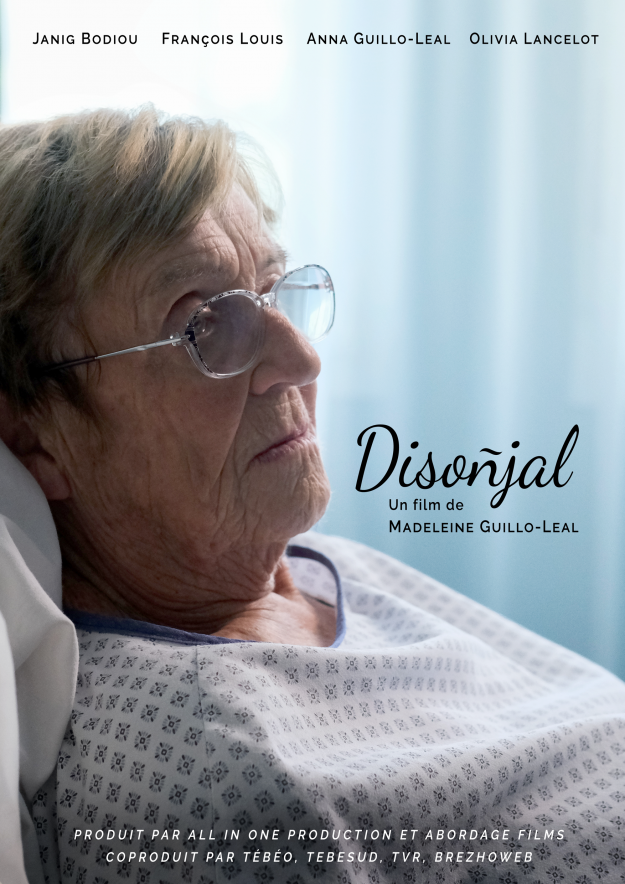
After a stroke, Marie, 80 years old, is hospitalised and confused. Her son Paul, 50, comes to see her. After years with no real relationship, mother and son reconnect while speaking in Breton, which Marie used to refuse to do with Paul.
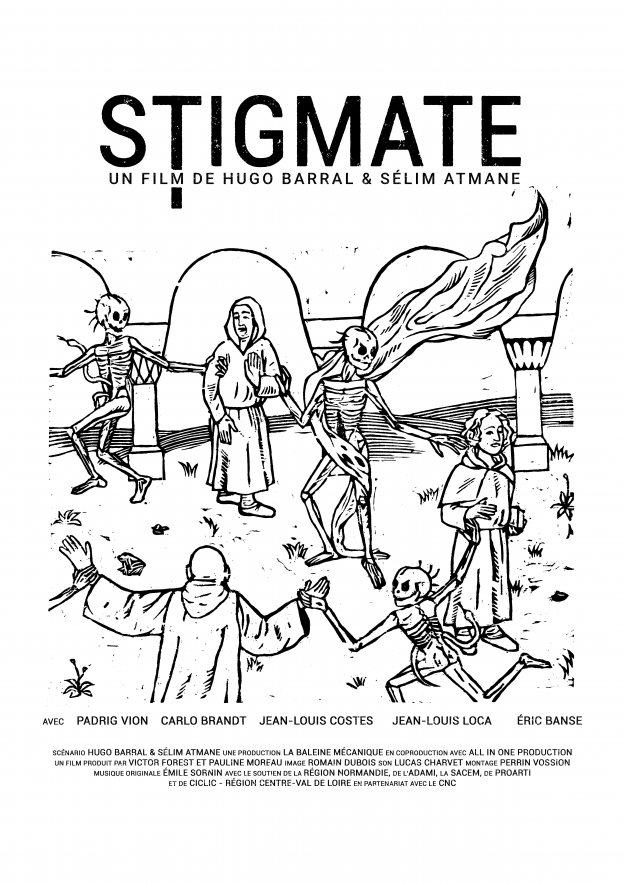
France. Year 1350. During the Black Plague, Simon goes back to his monastery after a long pilgrimage. But his return to the community is not so easy: despite his efforts to reintegrate, he feels left out, out of place. One day, an intruder breaks into the monastery. A series of strange events leads Simon to understand that he will never be the same monk he was before.
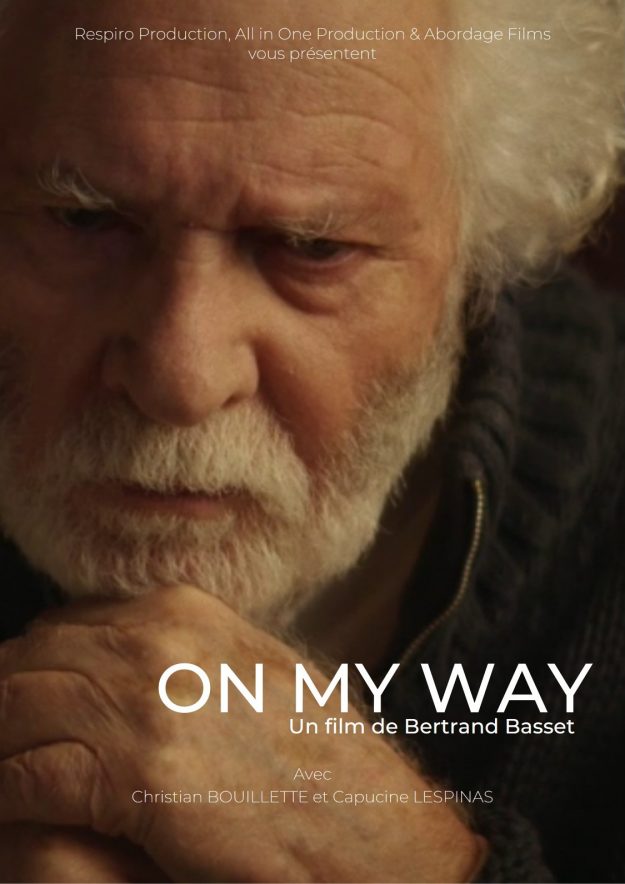
This morning, Grandma died. After 65 years of marriage, Hubert is alone for the first time, tired and weak. That damned roll of toilet paper is always a little too far away. Léonie, his granddaughter, comes to help him. Overwhelmed by the noisy adults, perhaps the best idea is to open an aged whisky.
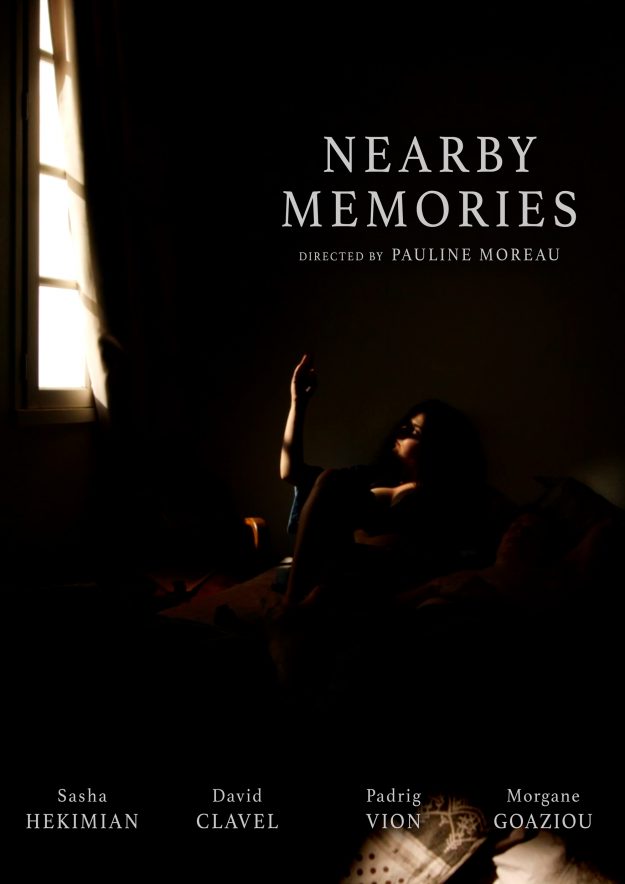
Olivia boards a boat and wanders through her memories, desperately trying to figure out her place in the world. Despite her efforts, one question remains unanswered : could the unknown land of her ancestors be the solution to her transgenerational disarray?